How Modern Laparoscopic Devices Balance Flexibility and Structural Stability
Modern laparoscopic surgery requires instruments that can operate through relatively small access points while still providing dependable control inside the body. This creates an important design challenge: laparoscopic devices need enough flexibility to support positioning and manipulation, but they also require sufficient structural stability to maintain predictable performance. Balancing these two characteristics is an important part of modern laparoscopic device design. Flexibility allows an instrument to adapt to different operating angles and anatomical conditions. Surgeons may need to approach a target from different directions, particularly during procedures involving confined or difficult-to-reach areas. Devices with appropriately designed shafts, joints, or articulation mechanisms can provide greater freedom of movement without requiring unnecessary changes to the access position.
However, flexibility alone is not sufficient. Excessive movement or unwanted deformation can make an instrument more difficult to control. A laparoscopic device needs a stable structure that can transmit the surgeon's manipulation through the instrument. This is why manufacturers must carefully consider the relationship between flexible components and supporting structures during product development. The shaft design is one important area where flexibility and stability must work together. A shaft may need to accommodate controlled movement while resisting unwanted bending or twisting. Material selection, wall thickness, internal construction, and connection methods can all influence these characteristics. The appropriate design depends on the intended application and the type of instrument being developed.
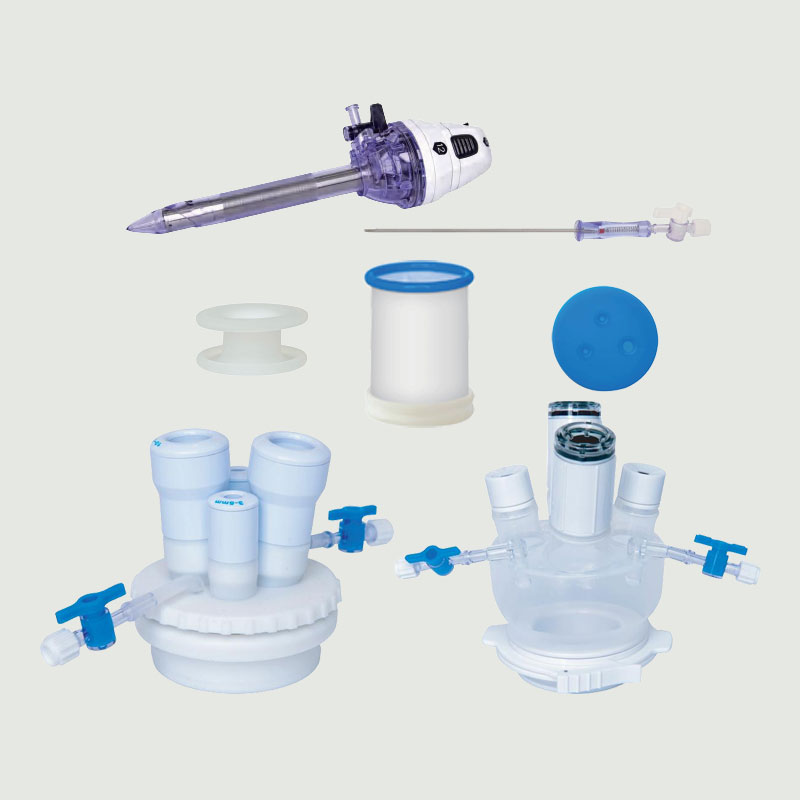
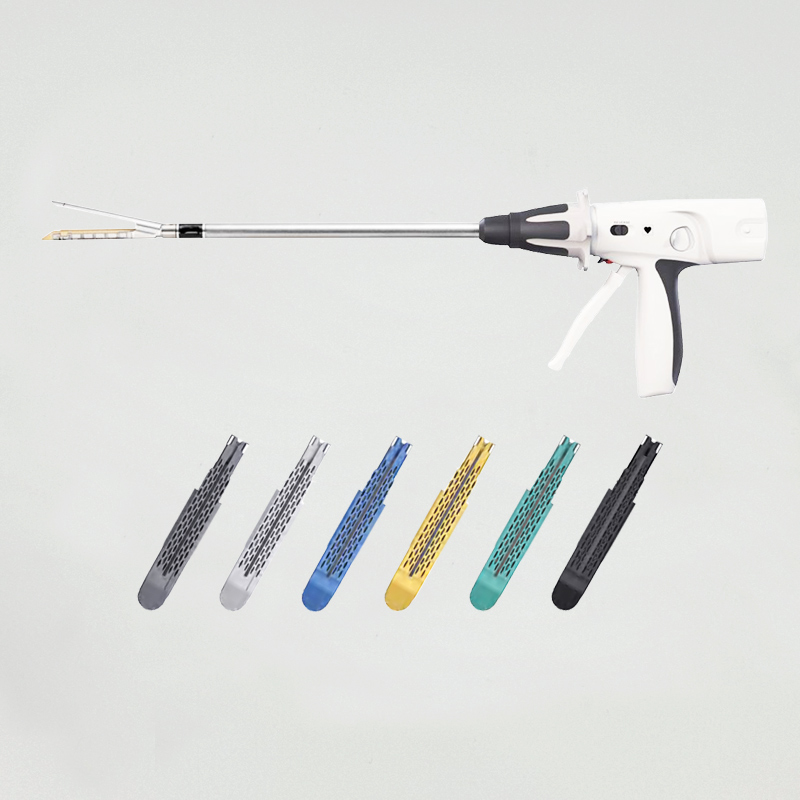
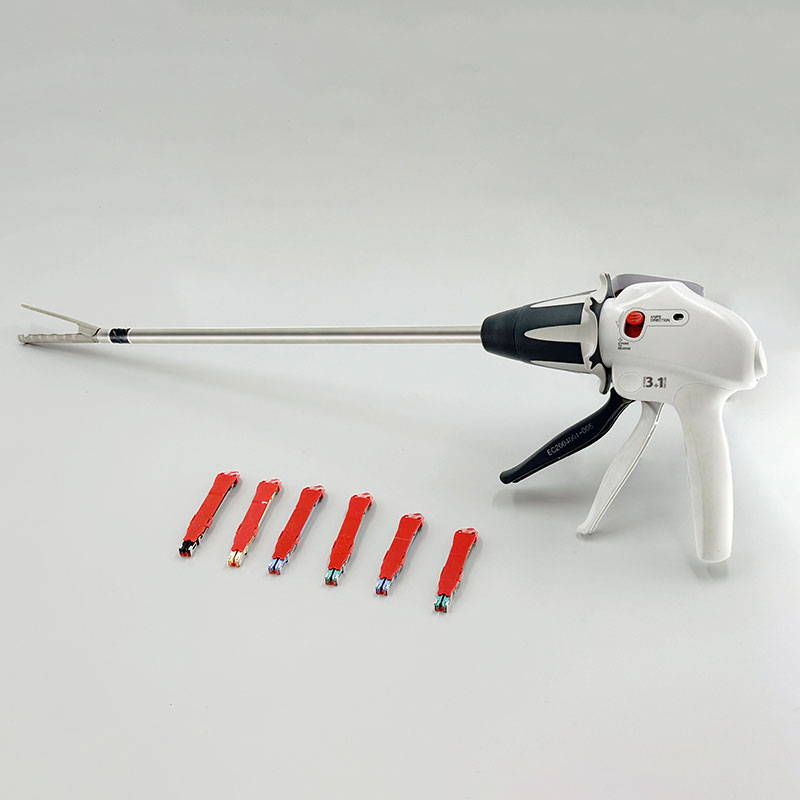
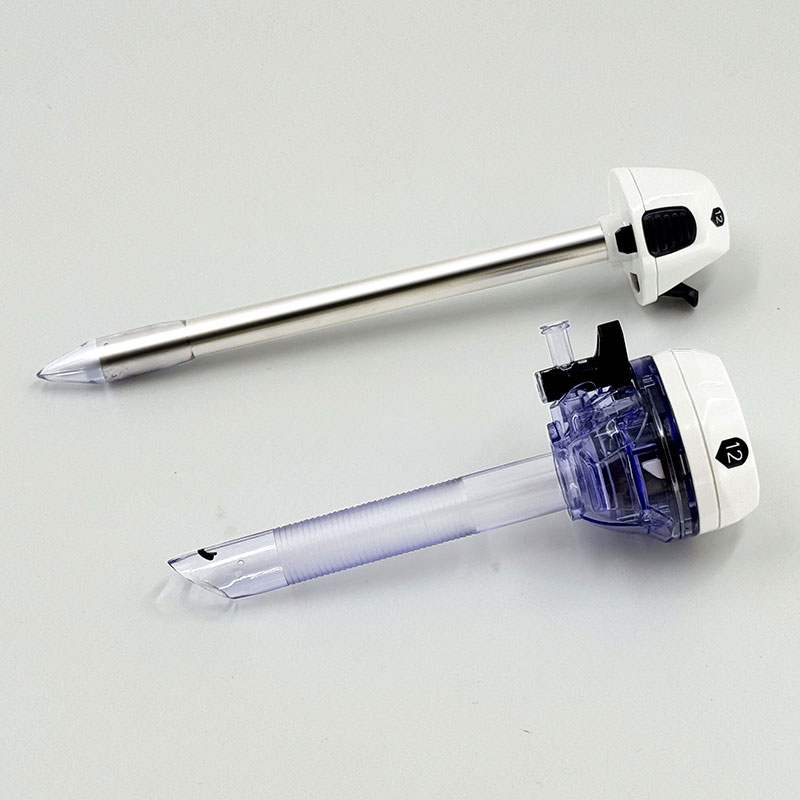
Access devices such as trocars and cannulas face a similar challenge. The device needs to remain sufficiently stable after placement while allowing surgical instruments to pass through smoothly. A stable cannula can provide a consistent pathway for instrument manipulation, while suitable sealing components can accommodate instrument movement and help maintain the intended access environment. Articulation mechanisms provide another example of this balance. An articulating laparoscopic instrument may need to change its distal angle while maintaining controlled movement at the instrument tip. The mechanism therefore needs sufficient flexibility at the articulation point but adequate resistance in other directions to prevent unintended movement.
Material selection plays an important role in achieving this balance. Different polymers, metals, and composite materials offer different combinations of strength, flexibility, wear resistance, and dimensional stability. Manufacturers must select materials according to the function of each component rather than simply choosing the most flexible or strongest option. Connections between components are equally important. A flexible section is only useful when it remains securely connected to the rest of the device. Joints, handles, shafts, tips, and other components need to work as an integrated system. Consistent assembly and dimensional control can help maintain predictable mechanical characteristics from one device to another.
Manufacturing precision is particularly important for disposable laparoscopic devices. Small variations in dimensions or component positioning can influence how a device moves and interacts with other surgical instruments. Controlled production processes and inspection procedures therefore form an important part of maintaining consistency. Product testing also helps manufacturers evaluate the relationship between flexibility and structural stability. Depending on the device, testing may examine bending behavior, mechanical strength, repeated movement, component connections, instrument compatibility, and other performance characteristics. These evaluations help identify whether the design performs according to its intended specifications.
For Changzhou Weipu Medical Equipment Co., Ltd., the development of laparoscopic medical devices involves research, manufacturing, quality management, and service. The company operates a facility of more than 20,000 square meters and follows the ISO 13485 quality management system. Its product development approach considers the requirements of minimally invasive surgical applications while emphasizing controlled manufacturing and product quality. Ultimately, flexibility and structural stability should not be viewed as competing features. A well-designed laparoscopic device combines controlled flexibility with sufficient structural support so that movement remains predictable. By considering materials, component geometry, articulation, connections, manufacturing precision, and testing together, modern medical device manufacturers can develop laparoscopic products suited to the practical demands of minimally invasive procedures.