How Endoscopic Linear Cutter Staplers Improve Surgical Precision
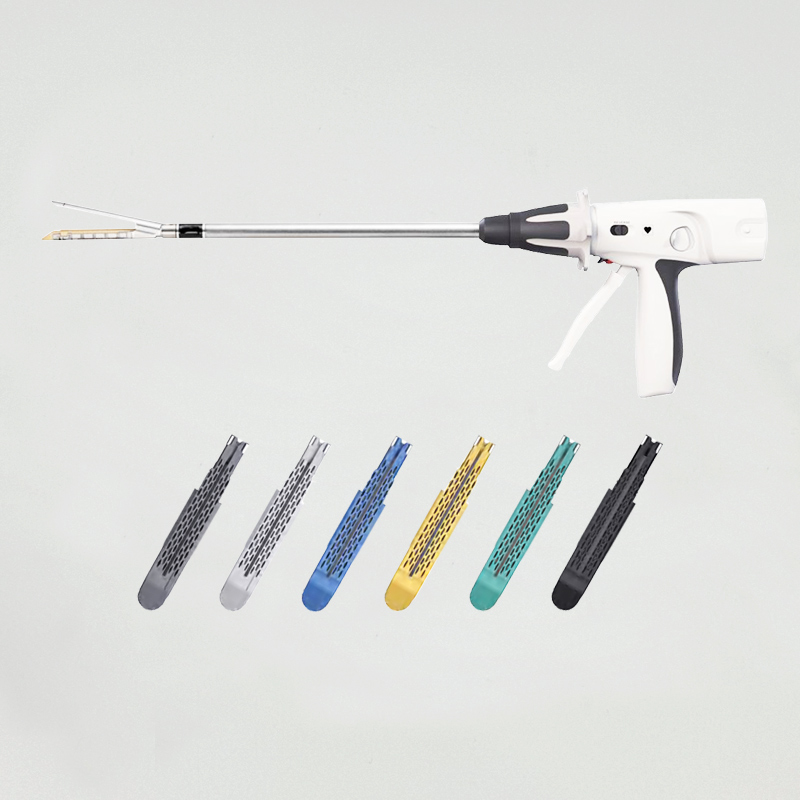
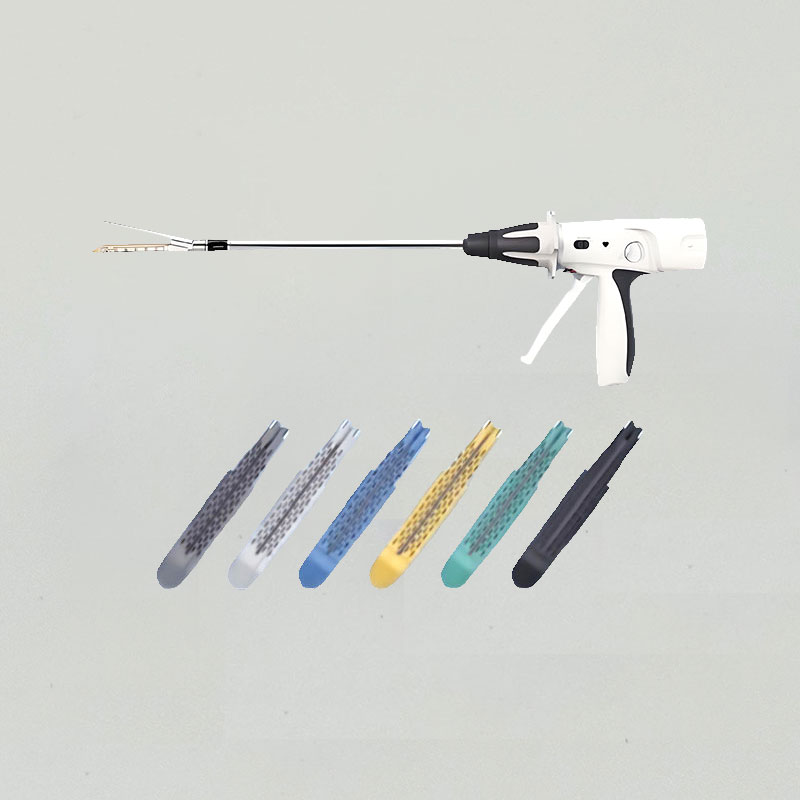
Endoscopic linear cutter staplers have become an important tool in minimally invasive surgery, where surgeons need to manipulate and divide tissue through relatively small access points. By combining tissue compression, staple placement, and cutting into a controlled mechanism, these devices can help simplify complex surgical steps and support consistent results. Their design is particularly valuable when precision and efficient tissue management are essential. One of the main ways an endoscopic linear cutter stapler supports surgical precision is by combining stapling and cutting in a single operation. Instead of requiring separate instruments for tissue division and closure, the stapler can perform both functions in a coordinated sequence. This can reduce instrument exchanges and help surgeons maintain a more organized surgical workflow.
Controlled tissue compression is another important feature. Before firing, the jaws bring the target tissue together and hold it in position. Appropriate compression helps stabilize the tissue and prepares it for staple formation. Consistent compression is therefore an important part of achieving predictable results during a procedure. The stapling mechanism also contributes to precision by creating a defined line of staples. Rather than relying on manually placed individual sutures, the device delivers multiple staples according to its predetermined configuration. This can provide a more uniform closure while helping surgeons complete tissue management efficiently.
Cutting accuracy is equally important. An integrated cutting blade travels through the tissue between the staple lines, allowing the tissue to be divided while the surrounding staple rows provide closure. Coordinating these actions within one device can help reduce unnecessary manipulation of the target tissue. Articulation can provide additional flexibility in certain endoscopic stapler designs. When the stapler head can be positioned at an appropriate angle, surgeons may have greater control when approaching tissue from different directions. This can be especially useful when working within anatomically restricted spaces, although the specific range of movement depends on the device design.
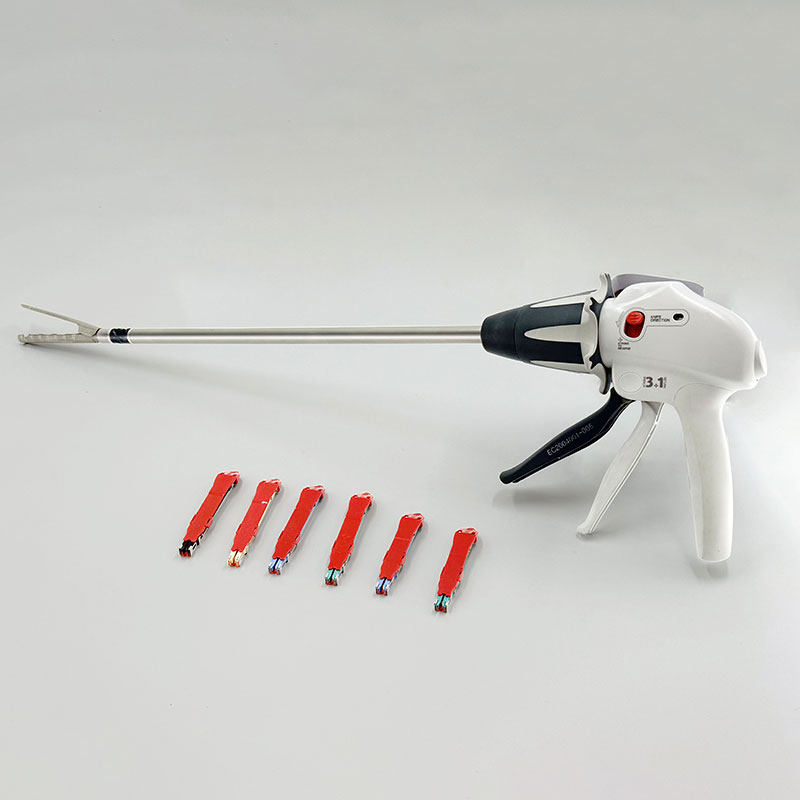
Ergonomics can also influence surgical precision. A well-designed handle and firing mechanism allow surgeons to operate the device with controlled movements. Comfortable handling may reduce unnecessary hand movement and make it easier to position the stapler accurately before firing. Cartridge selection is another important consideration. Different tissue types and thicknesses may require different staple configurations or reload specifications. Selecting the appropriate cartridge according to the device's intended application and manufacturer's instructions is essential for achieving the expected staple formation and tissue management performance.
Reliable jaw alignment is equally important. The stapler must hold the target tissue securely while the firing mechanism completes its intended sequence. Precision manufacturing of the jaw, shaft, cartridge, and related components helps ensure that these parts work together consistently. For hospitals and medical device purchasers, product consistency should be considered alongside functional design. A sophisticated stapler can only provide reliable performance when its components are manufactured to appropriate specifications. Material selection, dimensional accuracy, assembly control, and inspection procedures all contribute to finished-product quality.
Changzhou Weipu Medical Equipment Co., Ltd. focuses on the research, development, production, sales, and service of medical devices, including minimally invasive surgical products such as endoscopic staplers. With a manufacturing facility covering more than 20,000 square meters and an experienced professional medical team, the company places strong emphasis on product development and manufacturing quality. The company actively follows the ISO 13485 quality management system, applying structured quality management throughout its operations. From product development and material control to manufacturing and final inspection, standardized processes help support consistent product performance and provide customers with dependable medical device solutions. Ultimately, endoscopic linear cutter staplers improve surgical precision by bringing several critical functions together: controlled tissue positioning, compression, staple formation, and cutting. When combined with appropriate cartridge selection, reliable device design, careful surgical technique, and rigorous manufacturing quality control, these features can support efficient and precise tissue management in minimally invasive surgery.