How Trocar Manufacturing Precision Supports Consistent Surgical Performance
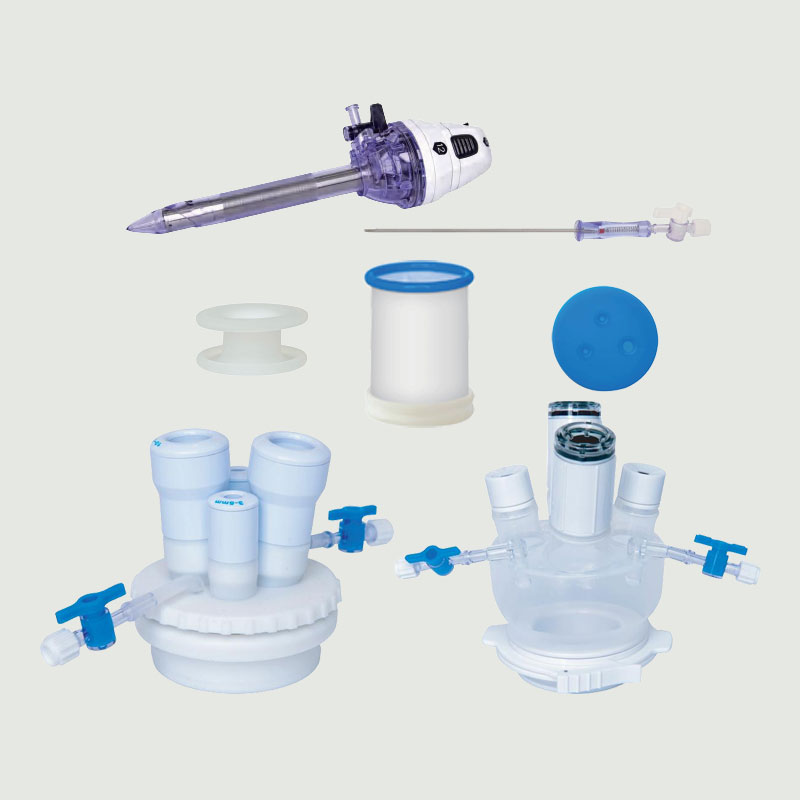
Laparoscopic trocars are essential access devices in minimally invasive surgery, providing a pathway for surgical instruments to enter the body through small incisions. Although a trocar may appear to be a relatively simple medical device, its performance depends on the accuracy of its components and the consistency of its manufacturing process. Small variations in dimensions, assembly, or material properties can influence instrument movement, sealing performance, and overall usability. Manufacturing precision is therefore an important factor in producing reliable laparoscopic access devices. One of the most important considerations is dimensional accuracy. Trocar cannulas must accommodate the intended range of surgical instruments while maintaining appropriate internal clearances. If the inner diameter or component dimensions vary beyond the specified limits, instruments may encounter unnecessary resistance or fit improperly. Precise dimensional control helps manufacturers maintain consistent compatibility across production batches.
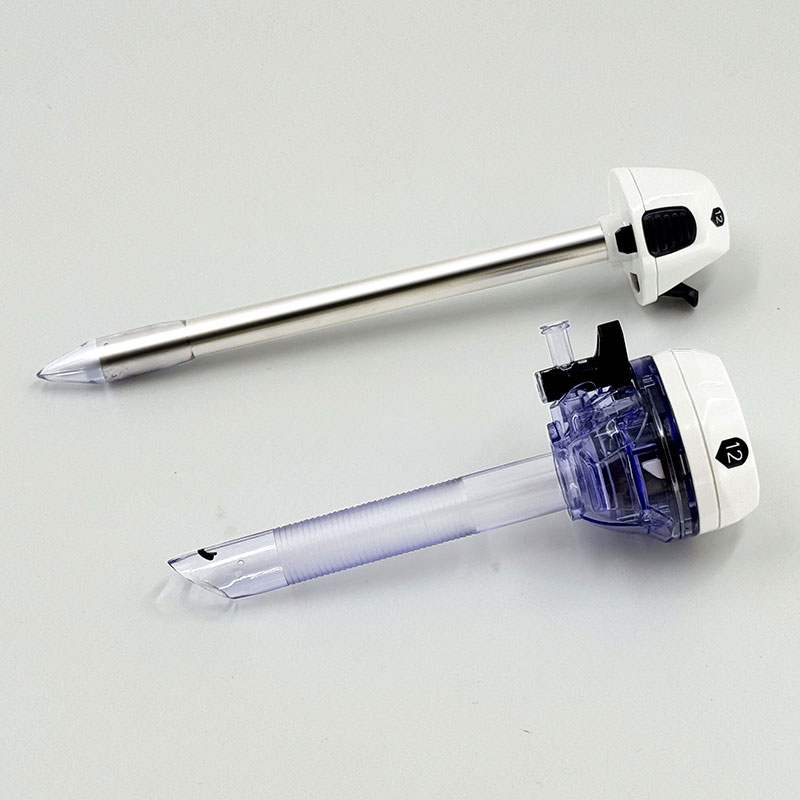
The design and manufacture of the trocar tip also require careful attention. Different tip configurations are developed for different access techniques, and their geometry influences how the device interacts with tissue during insertion. Consistent production helps ensure that the tip conforms to its intended design specifications. Appropriate testing and verification are necessary to confirm that each configuration meets its established performance requirements. Sealing components present another challenge. Many laparoscopic trocars incorporate instrument seals and valves intended to limit gas leakage and support pneumoperitoneum during surgery. These components depend on carefully controlled dimensions, material properties, and assembly. Even small inconsistencies may affect the contact between a seal and an inserted instrument, making precision essential to achieving repeatable sealing performance.
Material selection and processing also influence product consistency. Cannulas, housings, valves, and other components may use different materials according to their functions. Manufacturers need to control material specifications and processing conditions to maintain suitable strength, flexibility, and dimensional stability. Consistent material quality can help reduce unwanted variation in the finished device. Assembly accuracy is equally important because a trocar functions as an integrated system rather than a collection of independent parts. The cannula, seal, valve, housing, and access mechanism must work together according to the product design. Correct component positioning and secure connections help maintain the intended mechanical relationships and reduce the likelihood of assembly-related defects.
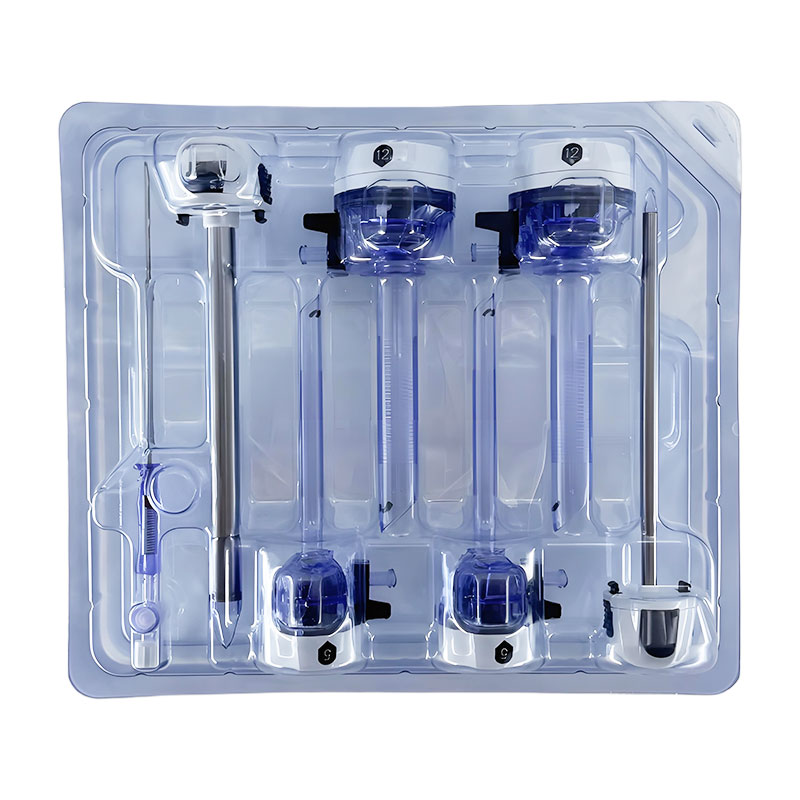
Quality control should extend throughout the production process. Incoming material inspection helps verify that supplied components meet defined requirements, while in-process checks can identify dimensional or assembly deviations before products reach the final stage. Final inspection and appropriate functional testing provide additional opportunities to confirm that finished devices conform to established specifications. Manufacturing precision also supports consistency during instrument exchange. Laparoscopic procedures often require surgeons to insert, withdraw, and reposition different instruments through the same access port. A trocar produced within its specified tolerances is more likely to provide predictable instrument passage and handling when used with compatible instruments. This consistency can help reduce unexpected mechanical difficulties during routine surgical workflow.
For disposable trocars, packaging and sterilization controls are additional considerations. The device must be protected during storage and transportation, and its packaging system must be suitable for the intended sterilization process and shelf life. Manufacturers need to validate relevant processes and ensure that packaging integrity is maintained according to applicable requirements. These controls complement dimensional and functional quality checks. A structured quality management system helps coordinate these activities. Changzhou Weipu Medical Equipment Co., Ltd. integrates research and development, production, sales, and service, operating a facility of more than 20,000 square meters. The company follows the ISO 13485 quality management system, which provides a framework for managing quality-related processes in medical device manufacturing.
Ultimately, consistent trocar performance begins long before a device reaches the operating room. Dimensional accuracy, material control, precise assembly, functional testing, and suitable packaging all contribute to product quality. By maintaining control over these manufacturing stages, medical device manufacturers can help ensure that laparoscopic trocars consistently meet their design specifications and intended application requirements.