How Trocar Seal Design Helps Maintain Stable Pneumoperitoneum
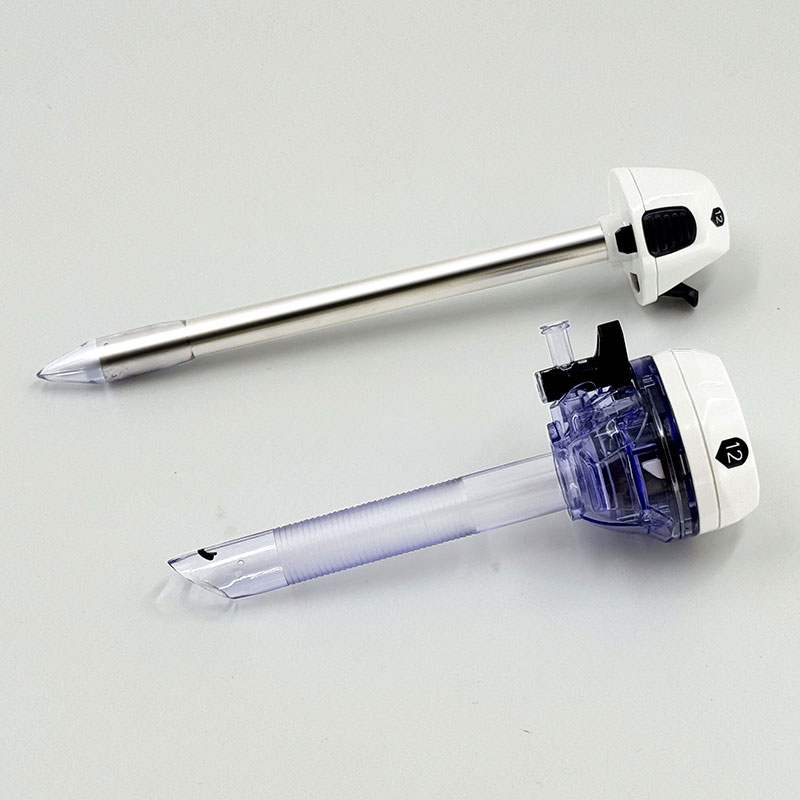
Laparoscopic surgery relies on creating a pneumoperitoneum, in which carbon dioxide is introduced into the abdominal cavity to provide working space for surgical instruments and visualization. Maintaining this space is important throughout the procedure, and trocar seal design plays a significant role in controlling gas leakage around inserted instruments. A well-designed sealing system helps support stable operating conditions while allowing surgeons to manipulate and exchange instruments as needed. A laparoscopic trocar typically consists of a cannula, an access tip, and one or more sealing components. The sealing system is designed to limit gas escape through the access pathway when an instrument passes through the cannula or when the access port is not occupied. Different trocar designs use different valve structures to accommodate these situations, making seal performance an important factor when evaluating laparoscopic access devices.
One key component is the instrument seal, which surrounds the shaft of an inserted surgical instrument. Because laparoscopic instruments may have different diameters, the seal needs to maintain suitable contact across the intended instrument range. If the seal does not fit the instrument properly, gas leakage may occur, potentially affecting the established pneumoperitoneum and requiring adjustments during surgery. Another important feature is the zero-closure valve, which is intended to close the access pathway when no instrument is present. This helps reduce gas loss during instrument exchanges and periods when the cannula is temporarily empty. The valve must open and close consistently while remaining compatible with the device's intended use. Its structure, material properties, and manufacturing accuracy can all influence its performance.
Repeated instrument insertion and withdrawal also place demands on the sealing mechanism. During laparoscopic procedures, surgeons may exchange graspers, scissors, dissectors, suction-irrigation instruments, and other tools through the same access port. A suitable seal design should accommodate these movements without creating excessive resistance or compromising its intended sealing function. Smooth instrument passage can help support an efficient workflow. Material selection is another consideration in trocar seal development. Sealing components need appropriate elasticity, resilience, and dimensional stability to maintain contact with instrument shafts. Materials that are too rigid may not adapt effectively to different instrument dimensions, while unsuitable flexibility may affect the seal's ability to return to its original shape. Manufacturers must therefore consider material properties alongside the expected operating conditions.
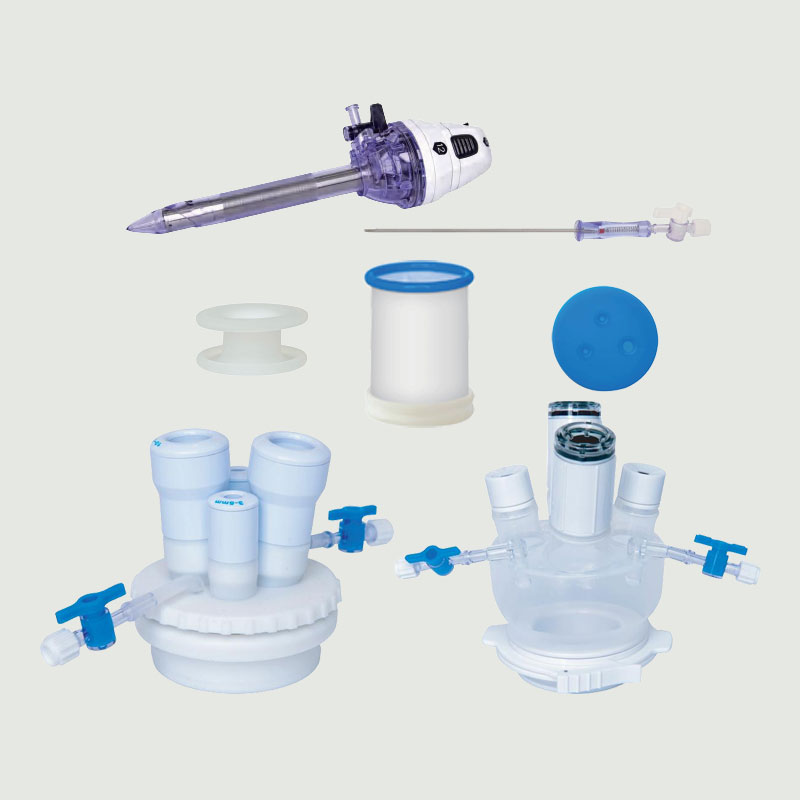
The geometry of the seal also influences performance. Factors such as the opening diameter, sealing lip shape, valve thickness, and contact pressure can affect how the component interacts with instruments. These characteristics need to be evaluated as part of the complete trocar system rather than in isolation. The seal must work with the cannula and other components to deliver consistent mechanical performance. Manufacturing precision is particularly important because small dimensional variations may influence sealing behavior. Consistent molding, controlled assembly, and appropriate inspection procedures can help reduce unwanted variation between products. Testing may assess gas leakage under specified conditions, instrument passage, valve closure, and performance across the intended instrument sizes.
For hospitals and medical device distributors, trocar seal performance should be considered alongside cannula dimensions, instrument compatibility, ergonomics, packaging, and product quality documentation. Reviewing these characteristics helps buyers assess whether an access device is suitable for its intended application. Actual performance also depends on correct use, compatible instruments, and compliance with the manufacturer's instructions. Changzhou Weipu Medical Equipment Co., Ltd. integrates research and development, production, sales, and service in the medical device field. With a facility covering more than 20,000 square meters, the company follows the ISO 13485 quality management system and emphasizes controlled manufacturing processes and product quality.
Ultimately, trocar seal design is more than a small mechanical detail. Instrument seals, zero-closure valves, material properties, component geometry, and manufacturing consistency all contribute to the ability of a laparoscopic access device to limit gas leakage. By evaluating these factors together, medical device manufacturers can develop trocar systems designed to support stable pneumoperitoneum and reliable instrument access during minimally invasive procedures.