Choosing the Right Needle Length and Diameter for Laparoscopic Insufflation
Selecting the appropriate insufflation needle is an important consideration during laparoscopic surgery. Needle dimensions, particularly length and diameter, should be matched to the intended surgical application, patient anatomy, access technique, and clinical requirements. The correct specification can support controlled access, efficient gas delivery, and predictable device performance. Needle length is primarily related to patient anatomy and the intended access site. A needle that is too short may make abdominal access difficult in patients with greater abdominal wall thickness, while an unnecessarily long needle may make controlled positioning more challenging. Surgeons therefore need to consider factors such as abdominal wall thickness, body habitus, and the planned insertion location when selecting a suitable length.
Needle diameter also affects the characteristics of the device. Diameter influences mechanical strength as well as the internal pathway available for insufflation gas. A suitable diameter should provide an appropriate balance between structural rigidity and effective gas flow for the intended application. Manufacturers must maintain precise dimensional tolerances to ensure consistent performance between individual devices. The design of the needle tip is closely connected with its dimensions. A sharp outer needle must be capable of controlled penetration, while the internal safety mechanism should function reliably according to the device design. Consistent manufacturing of the tip, shaft, and internal components is therefore essential for predictable operation.
Patient characteristics should also be considered. Patients differ significantly in abdominal wall thickness and body composition, meaning that a specification suitable for one patient may not be appropriate for another. Rather than selecting a needle based solely on a standard size, healthcare professionals should follow the device manufacturer's instructions and applicable clinical protocols. The planned surgical procedure is another factor. Different laparoscopic procedures may have different access requirements, and surgeons may have established preferences based on their experience and surgical technique. Medical institutions should maintain an appropriate selection of needle configurations to support the procedures routinely performed in their operating rooms.
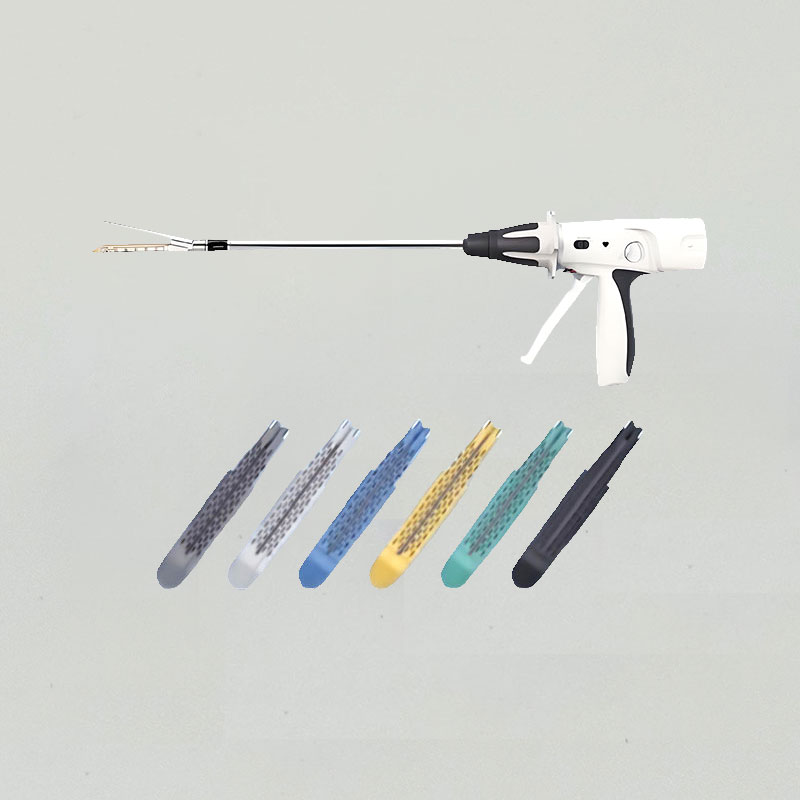
Gas flow is also relevant when evaluating diameter. An insufflation needle needs to provide a suitable pathway for carbon dioxide delivery while maintaining the intended function of the access system. However, larger diameter does not automatically mean better performance. The optimal specification depends on the complete needle design and its intended application. For medical device purchasers, consistency between batches is particularly important. Even small dimensional variations can affect assembly, mechanical characteristics, or compatibility with related equipment. Reliable manufacturers use controlled production processes and inspection procedures to verify critical dimensions before products are released.
Material selection contributes to dimensional stability as well. Medical-grade materials should provide appropriate strength and resistance to deformation during normal use. Combined with precision manufacturing, suitable materials help maintain the designed length and diameter throughout the product's service life. Changzhou Weipu Medical Equipment Co., Ltd. focuses on the research, development, manufacturing, sales, and service of medical devices. With a facility covering more than 20,000 square meters and an experienced professional team, the company applies standardized manufacturing and quality control procedures to its minimally invasive surgical products, including insufflation needles.
The company actively follows the ISO 13485 quality management system, providing a structured framework for controlling manufacturing processes and maintaining product consistency. From material management and component production to inspection and final packaging, quality control helps ensure that medical devices conform to established specifications. Ultimately, choosing the right insufflation needle length and diameter should be based on the specific clinical application rather than a one-size-fits-all approach. By considering patient anatomy, surgical requirements, needle design, gas-flow characteristics, and manufacturing quality, healthcare providers can select an appropriate device for their needs. For manufacturers such as Changzhou Weipu Medical, precise production and rigorous quality management remain essential to delivering dependable insufflation needles for minimally invasive surgery.